🌎 Uruguay Culture & Traditions 2026 — Customs, Festivals & Local Life
Uruguay is one of South America’s most culturally rich and authentic countries—small in size, yet enormous in identity and tradition. Its culture blends indigenous roots with Spanish, Italian, and Afro-Uruguayan influences, creating a unique fusion expressed through music, food, celebrations, and daily life. Travelers often describe Uruguay not only as a destination, but as a feeling: peaceful, welcoming, and deeply human.
What sets Uruguay apart is not just its stable democracy and high quality of life, but the warmth and simplicity of its people. From sharing mate on the beach at sunset to gathering around the asado every Sunday, life in Uruguay flows slowly and intentionally, centered on community, conversation, and mutual respect.
This complete cultural guide explores the customs, traditions, festivals, values, and social rituals that define Uruguay in 2026, so you can experience the country like a local—not like a tourist.
Table of Contents
Cultural Identity of Uruguay
Uruguayan culture is grounded in social equality, freedom, and collective wellbeing. Uruguayans value education, dialogue, and peaceful coexistence. While patriotic, they express national pride quietly and intelligently—often through humor, music, and sports.
Core cultural values
- Calm and slow-paced lifestyle
- Deep sense of community and respect
- Highly progressive social policies
- Strong cultural life (literature, theater, music)
- Intellectual humor and long conversations
- Hospitality without pretension
Mate — Uruguay’s Most Important Social Ritual
Mate is more than a drink—it is a symbol of friendship, trust, connection, and belonging. Uruguayans drink mate everywhere: walking in the city, on the rambla, at work, or in the countryside.
Mate etiquette
- Shared in a circle; no skipping turns
- Never stir or move the bombilla (metal straw)
- Saying “thank you” means you are done drinking
- The person preparing it is the cebador, responsible for each refill
To understand Uruguay, you must understand mate—it is the beating heart of everyday life.
The Asado — The Ultimate Social Experience
The asado is Uruguay’s most iconic culinary and social tradition. It is not just a meal, but an event that can last hours, where friends and family gather to talk, cook slowly, and celebrate life around the fire.
Asado essentials
- Prepared over wood or charcoal by the parrillero
- Common cuts: asado de tira, vacío, chorizo, morcilla, mollejas
- Often paired with wine, beer, or Fernet
- A symbol of community and generosity
Gauchos & Rural Heritage
The figure of the gaucho represents freedom, bravery, and connection with the land. Rural culture remains alive in the countryside, especially in Tacuarembó, Durazno, Florida, and Cerro Largo.
Gaucho traditions
- Horse-riding competitions and rodeos (jineteadas)
- Folk music and payadas (improvised poetic battles)
- Traditional clothing: bombacha, faja, boots, and wide-brim hats
Carnaval — The Longest Carnival in the World
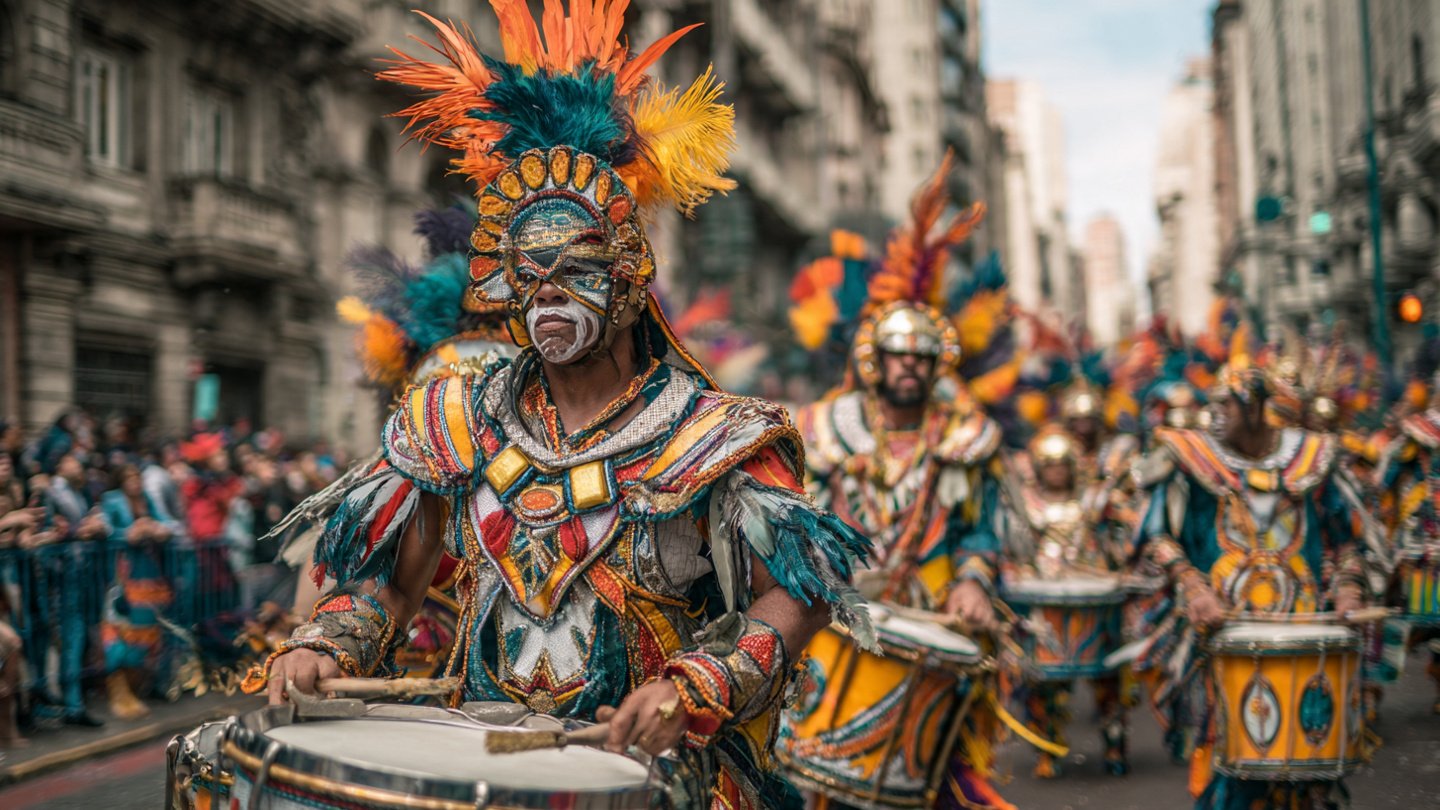
Lasting nearly 40 days, Uruguay’s Carnival is a major cultural celebration of music, satire, and artistic expression.
Key events
- Opening parade on Avenida 18 de Julio
- Desfile de Llamadas — Afro-Uruguayan candombe parade in Barrio Sur and Palermo
- Neighborhood stages (tablados) throughout Montevideo
Murga — Uruguay’s Unique Musical Theater
Murga combines choir singing, comedy, poetry, and political satire.
Murga elements
- Groups of 15–17 performers
- Elaborate costumes and theatrical makeup
- Critical, humorous, emotional storytelling
- One of the country’s strongest cultural identities
Music & Dance Traditions
| Style | Origin | Description |
|---|---|---|
| Candombe | Afro-Uruguayan | Drums: piano, repique, chico |
| Tango | Rio de la Plata | Elegant, dramatic social dance |
| Folklore | Rural Uruguay | Guitars, payadas, traditional dance |
Candombe was declared UNESCO Intangible Cultural Heritage.
Football — National Passion
Football is central to Uruguayan identity. Uruguay has won 2 World Cups and 15 Copa América titles, and the term garra charrúa represents resilience and determination.
Family & Social Life
- Family is the foundation of social structure
- Sunday asado is a sacred tradition
- Social life is spontaneous, authentic, and relaxed
- People prioritize time outdoors and connection over productivity
Religion & Freedom
Uruguay is highly secular, valuing freedom of belief. Many public holidays have cultural rather than religious identity, reflecting diversity and inclusivity.
LGBTQ+ Inclusivity
Uruguay is one of the most progressive nations in Latin America, with:
- Marriage equality
- Adoption rights
- Gender identity protections
- Strong LGBTQ+ community and events
Major Festivals & Celebrations
| Festival | Month | Location | Description |
|---|---|---|---|
| Carnival | January–March | Montevideo | Murga, candombe, parades |
| Semana Criolla | April | Montevideo | Gaucho culture |
| Nostalgia Night | August 24 | Nationwide | Retro music celebrations |
| Heritage Day | October | Nationwide | Museums & culture |
| Minas & Abril Festival | April | Lavalleja | Folk music festival |
How to Experience Uruguay Like a Local
- Carry a mate and termo—always
- Say hello with a kiss or friendly hug
- Don’t rush—Uruguay lives slowly
- Enjoy sunsets on the rambla
- Join conversations; Uruguayans love to talk
- Respect local traditions and public spaces
What Defines Uruguay
Way of Life
Known for peace, nature, and simplicity, Uruguay offers one of the highest qualities of life in Latin America.
Curious about daily life in Uruguay?
Explore more insights in our culture and lifestyle guides.
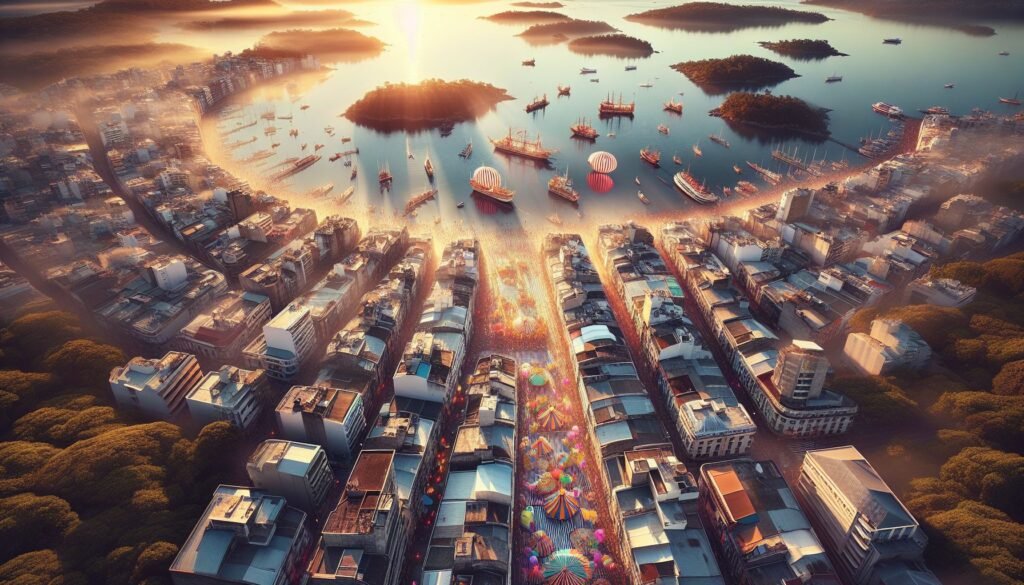
Top cultural festivals to experience in Uruguay
❓ FAQs
- What is Uruguay known for culturally?
- What is the most important tradition in Uruguay?
- What festivals take place in Uruguay?
- Why do Uruguayans drink mate?
- Is Uruguay similar to Argentina culturally?
- What is murga?
- What is candombe?
- Are Uruguayans friendly with tourists?